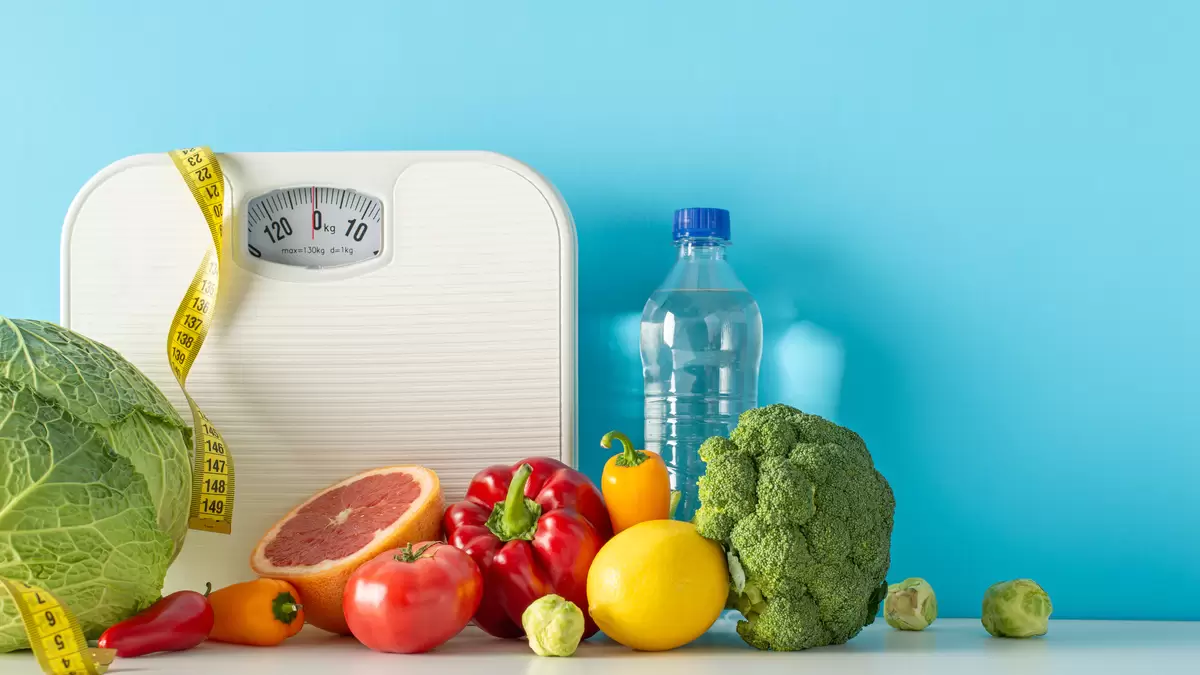
Supporting Your Health While on GLP-1s
The popularity of GLP-1 medications has skyrocketed as more people discover their effectiveness in supporting weight management and metabolic health. These medications—commonly prescribed for diabetes or weight loss—work by helping you feel full faster and stay satisfied longer.
But while GLP-1s can be powerful tools, maintaining a balanced diet is still essential for overall wellness. Eating the right foods, in smaller portions spaced throughout the day, helps your body adjust to the changes in appetite and digestion that come with GLP-1 therapy.
At MiraMed and Day Spa, we believe that true wellness comes from aligning medical support with mindful nutrition.
What Are GLP-1s and How Do They Work?
GLP-1 stands for glucagon-like peptide-1, a hormone naturally produced in your body that plays a key role in regulating blood sugar and appetite.
When you take GLP-1 medications—such as semaglutide or tirzepatide—they mimic this natural hormone to:
- Slow digestion, so you feel full for longer
- Reduce hunger and food cravings
- Help regulate blood sugar levels
- Support gradual, sustainable weight loss
Because GLP-1s can make you feel full more quickly, it’s common for people to unintentionally eat too little or skip meals. However, your body still needs consistent nutrients to function properly and maintain energy levels. That’s why understanding how to eat smart while taking GLP-1s is so important.
Why Your Diet Matters on GLP-1s
A balanced diet ensures your body gets the nutrients it needs even when your appetite decreases. GLP-1s affect how your stomach empties and how your body signals fullness, so learning to listen to those signals while still nourishing your body is key.
Eating nutrient-dense foods helps prevent fatigue, nutrient deficiencies, and muscle loss—all of which can occur if your calorie intake becomes too low.
Focus on meals that include:
- Lean proteins: chicken, fish, tofu, eggs
- Healthy fats: avocado, olive oil, nuts, seeds
- High-fiber carbohydrates: vegetables, legumes, whole grains
- Hydration: water, herbal teas, electrolyte-rich beverages
The Power of Smaller, More Frequent Meals
Because GLP-1s can make your stomach feel full faster, large meals may become uncomfortable. Instead, try smaller, balanced portions spaced throughout the day.
Eating 4–6 small meals or snacks helps you:
- Maintain steady energy
- Avoid nausea or bloating
- Support consistent blood sugar levels
- Ensure adequate nutrient intake
Here’s a sample approach:
- Breakfast: Greek yogurt with berries and chia seeds
- Mid-morning snack: A handful of almonds and a small apple
- Lunch: Grilled chicken with roasted vegetables and quinoa
- Afternoon snack: Cottage cheese or a protein smoothie
- Dinner: Baked salmon with steamed broccoli and brown rice
Remember: it’s perfectly normal to eat less while taking a GLP-1, but it’s important to ensure that every bite counts.
Listen to Your Body — Fullness and Nutrition Matter
One of the best habits you can develop while on a GLP-1 is mindful eating. Pay attention to when your body tells you it’s full—even if it’s after just a few bites. However, also keep track of your overall nutrient intake throughout the day.
If you’re consistently eating too little, your energy, hair, and skin health can be affected. Your body still needs fuel—just in smaller, smarter portions.
Some tips to stay balanced:
- Eat slowly and chew thoroughly.
- Stop eating as soon as you feel full.
- Choose nutrient-dense foods instead of empty calories.
- Track your meals for the first few weeks to make sure you’re eating enough.
- Stay hydrated—sometimes thirst can mask itself as hunger.
Common Questions About Diet and GLP-1s
- Can I eat anything I want while taking a GLP-1?
While no food is completely off-limits, focusing on whole, minimally processed foods helps you feel better and supports your results. Sugary or fried foods can cause discomfort and slow digestion. - How much should I eat if I’m not very hungry?
Even small, balanced meals can keep your body nourished. If you can’t finish a full meal, aim for a few nutrient-rich bites every 2–3 hours. - What if I feel nauseous after eating?
Try smaller, more frequent portions, avoid high-fat foods, and sip on water or ginger tea.
Book and Appointment with MiraMed and Day Spa!
At MiraMed and Day Spa, we specialize in helping clients make the most of their GLP-1 journey through medical guidance, lifestyle support, and personalized wellness plans. Our team understands how to balance medical treatments with nutrition and overall health to ensure lasting, sustainable results.
If you’re currently using—or considering—GLP-1 medications, we’re here to guide you every step of the way!
📍 MiraMed and Day Spa
1921 State St Suite B, Santa Barbara, CA 93101
📞 805-770-2461
🌐 miramedanddayspa.com


